End-of-Year Relationship Review: 10 Questions for Couples to Reflect on Together
The end of the year brings a natural pause — a moment between what has been and what will be. While most people use this season to reflect on personal goals, few couples take time to reflect on their relationship as a shared system with its own rhythms, strengths, and growth edges.
But relationships benefit immensely from intentional reflection. When partners slow down and look back together, they create understanding, repair missed moments, celebrate resilience, and align for the year ahead. Without reflection, couples risk repeating the same conflicts, missing each other’s emotional needs, or drifting further apart without realizing it.
A gentle year-end relationship review is not about critiquing the relationship or tallying mistakes. It’s about making meaning, honoring what was hard, naming what was beautiful, and setting the foundation for deeper connection moving forward.
Below are 10 guided questions to help couples look back with clarity, compassion, and curiosity.
1. What were the strongest parts of our relationship this year?
Start with strengths. Naming what worked well sets a collaborative tone and helps partners see the effort, resilience, and intention that often gets overlooked.
Examples might include:
Sticking together during a stressful period
Better communication than last year
More quality time
Stronger teamwork with parenting or finances
Strength-spotting is a form of relational gratitude — and it matters.
2. What challenged us the most this year?
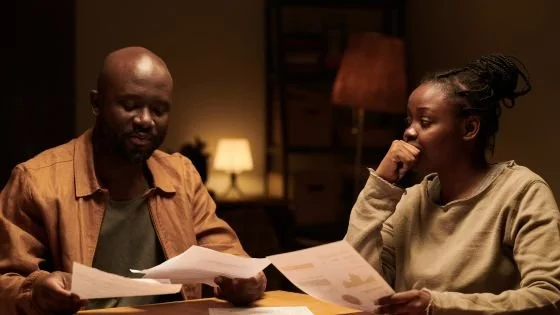
Every couple faces struggles. The goal here is not to assign blame but to understand the stressors and patterns that created tension.
Some couples name major events (job change, health issues, parenting challenges). Others name recurring patterns (conflict cycles, defensiveness, emotional distancing).
The question, “What challenged us?” keeps the focus on the partnership, not individual fault.
3. What did we each need more of this year that we didn’t get?
This question often opens a vulnerable door. Maybe one partner needed more affection, more breaks, more verbal appreciation, more help with the mental load, or more emotional presence.
This isn’t a demand list — it’s a clarity list that helps couples move into the new year more attuned to each other.
4. What did we learn about each other this year?
Even long-term relationships are ongoing discoveries. Partners may learn how the other handles stress, what triggers insecurity, or what helps them feel supported.
This question creates space to honor growth and deepen empathy.
5. What are we each proud of — in ourselves and in each other?

Most couples don’t hear enough praise or acknowledgement. This is a powerful invitation to celebrate:
Personal growth
Behavior changes
Emotional bravery
Career milestones
Acts of kindness or repair
Pride shared out loud nurtures connection.
6. What patterns showed up that we want to shift in the coming year?
All couples have patterns — some helpful, some not.
Common ones include:
Escalating quickly during conflict
Keeping score
Over-scheduling and losing connection
This question invites honest awareness and collaborative change.
7. How did we handle conflict this year, and what do we want to do differently next year?
Instead of asking what went wrong, ask:
“What kind of conflict style does our relationship deserve?”
Partners can explore:
Practicing repair sooner
Listening without defensiveness
Staying on the same team
This is an empowering reframe: conflict becomes an opportunity for skill-building, not a sign of failure.
8. What moments brought us the most joy or closeness this year?

These moments often get lost in the chaos of everyday life.
Maybe it was:
A quiet morning in bed
A date night that felt revitalizing
Laughing together during a holiday
A vulnerable conversation that brought connection
Identifying these helps couples intentionally create more of what works.
9. What would make our relationship feel more supported, nourished, or peaceful next year?
This is where partners can dream a little.
Perhaps:
More downtime
A monthly date
Clearer boundaries with families
Shared rituals of connection
A couples therapy tune-up
This question bridges insight with action.
10. What shared intentions do we want to set for the new year?

Unlike resolutions, intentions focus on direction rather than perfection. Examples:
“We intend to slow down.”
“We intend to communicate with kindness.”
“We intend to repair quickly.”
Intentions guide the relationship with purpose and gentleness.
How to Use These Questions
Choose a calm time — a quiet evening, a cozy morning, or a weekend check-in. Sit together with the list, and take turns sharing while the other listens without interruption or correction.
Think of this as a ritual: a way of closing the year with care and beginning the next with intention.
Looking for a stronger start to next year? We can help.
If you and your partner are ready to break old patterns, reconnect, or repair what feels stuck, a couples therapy reset can change the trajectory of the year ahead.
My name is Erika Labuzan-Lopez, LMFT-S, LPC-S and I’m the owner at the Center for Couples Counseling. I love using a variety of techniques to help couples learn why they move into childish spaces during conflict, how to put down those defenses for good, and what to do when you can’t access the tools you know will work to get out of conflict. I love working with couples and individuals to learn how to live in the world more relationally and engage in meaningful relationships. With over a decade of couples therapy experience, I am passionate about training and supervising therapists to become specialized in highly effective couples therapy. We see couples, individuals, and all residents of Texas online. Call (832) 827-3288 to schedule your FREE phone consultation.
Start Couples Therapy in League City, TX
Are you and your partner struggling with marital issues? Looking to build a strong and secure relationship? At Center For Couples Counseling, you and your partner can learn to reconnect, create a healthy relationship, and gain support from our skilled couples therapists. To get started with couples therapy follow these three simple steps:
Contact us to schedule an appointment
Meet with one of our caring couples therapists
Begin working on your relationship and reconnect with your partner.
Other Services Offered At Center For Couples Counseling
Our team understands your relationship might be facing different challenges. So our Texas practice offers other therapies to help you face these challenges. Other services include individual therapy, infertility counseling, postpartum anxiety and depression counseling, therapy for self-care and burnout, and therapy for perfectionism. For more about us check out our FAQs and blog!