Finding the Light: Gratitude, Connection, and Co-Regulation
Have you ever noticed how easy it is to recognize the good in our lives when we look backward? Sometimes gratitude comes with perspective, after we've had time to understand an experience and recognize what it offered us. What if we practiced recognizing the good while we were still in the middle of figuring things out?
Life has a way of keeping us busy with what is missing, what needs fixing, and what might go wrong next. Before we know it, we can become so focused on the negative that we stop noticing the positive. Gratitude invites us to shift our attention, not by pretending everything is okay, but by making room for the good alongside the difficult.
Gratitude Is a Practice
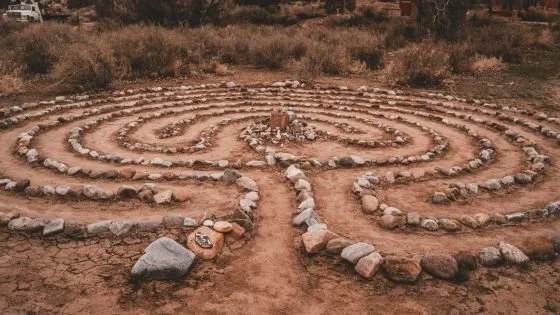
Looking back on my faith journey, I can recognize moments when I was so focused on what felt unfamiliar or uncomfortable that I struggled to see the possibilities in front of me. Sixteen years later, I can appreciate the questions, uncertainty, and even resistance that accompanied that journey. I didn't have to understand everything immediately to recognize that there was something meaningful to discover.
I have learned that gratitude often grows when we allow ourselves to consider different possibilities, make intentional choices, and remain open to what those experiences teach us. We cannot control every outcome, but we can practice recognizing the growth, opportunities, and connections along the way.
This idea is reflected across different spiritual traditions. Former LDS President Russell M. Nelson taught, "Gratitude provides us with a greater perspective on the very purpose and joy of life." Islam teaches in the Quran, "If you are grateful, I will surely increase you [in favor]." Buddhist teachings at Plum Village also emphasize recognizing and appreciating the many people and conditions that support our everyday lives. Although these traditions express gratitude differently, each offers an invitation to notice what is already present rather than focusing only on what is absent.
Gratitude and Emotional Connection
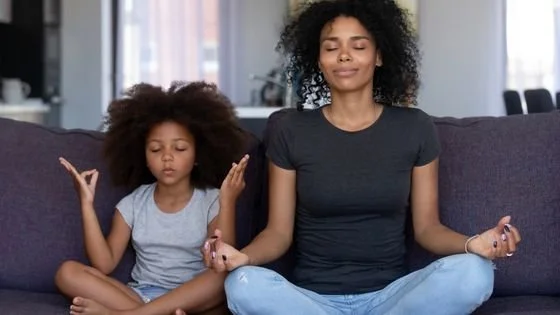
Gratitude can also influence how we connect with others. In counseling, co-regulation describes how people influence one another's emotional states through their interactions. A calm, supportive presence can help someone feel safe enough to navigate difficult emotions, particularly children who are still developing their own emotional regulation skills.
I recently watched my oldest celebrate making the first cut in school basketball tryouts. It would have been easy to focus immediately on the next tryout and everything that could go wrong. Instead, I chose to pause and celebrate the accomplishment. He had worked hard, and this was a moment worth recognizing. Tomorrow's uncertainty didn't disappear, and we didn't need to let it take away today's excitement.
By being present with him, celebrating his effort, and helping him recognize his progress, I was also creating an opportunity for connection and co-regulation.
Gratitude gave us something positive to share. It didn't erase the anxiety; it helped make room for excitement alongside it.
Research suggests gratitude practices influence emotional processing and neural activity. Repeated gratitude exercises have been associated with changes in how the brain responds to experiences of appreciation. Over time, intentionally noticing positive experiences may help us become more attentive to goodness in our everyday lives. It isn't an overnight transformation, but a practice we can develop.
Making Room for the Light

Dr. Martin Luther King Jr. famously wrote, "Darkness cannot drive out darkness; only light can do that." I love this sentiment because gratitude works in a similar way. It doesn't require darkness to disappear. It gives us something to look toward while we find our way through it.
We can experience disappointment and gratitude, grief and hope, uncertainty and joy. Being human means experiencing all of these things.
Whether through faith, family, friendship, or community, connection reminds us that we are sharing this human experience together.
A Small Practice to Try
Gratitude doesn't have to be complicated. Try taking a few moments each day to:
Notice: What is one good thing happening right now?
Name: Why does this matter to me? What am I grateful for about it?
The goal isn't to force positivity or dismiss what is hard. It is to become more intentional about recognizing the good and allowing others to experience it with us.
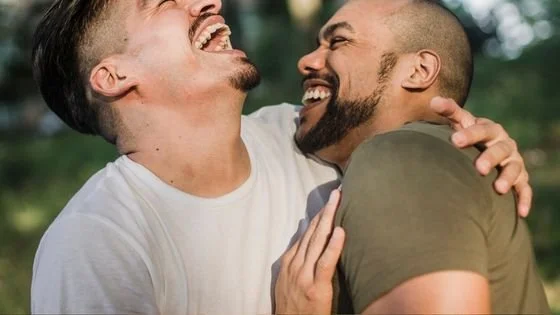
We don't have to wait until life is all good to recognize the good in life. We can share it through gentle touch, hugs, eye gazing, smiles, laughter. Sometimes, the smallest moments of gratitude become the light that helps us keep moving forward.
My name is Carrie Yost and I am currently pursuing a Master of Science in Clinical Mental Health Counseling with a concentration in Rural Mental Health at Texas A&M University–Kingsville. I earned my Bachelor of Science in Criminology, graduating with honors from the University of Houston–Clear Lake. I am working at The Center for Couples Counseling under the supervision of Erika Labuzan-Lopez. I empower clients through compassion, collaboration, and respect for the path we discover together. If you’re looking to grow with a kind compass, call (832) 827-3288 to set up your free phone consultation. Our Center serves couples and individuals in League City and Houston, Texas and all residents of Texas online!
Interested in Meeting a Couples Therapist in League City, TX?
If you want to improve your relationship and reconnect with your partner, take action now and start being more curious about your relationship. At Center For Couples Counseling, one of our skilled couples therapists can help you and your partner navigate your challenges and rediscover the curiosity and passion that brought you together in the first place. Don't wait any longer to invest in the health and happiness of your relationship. To meet with a couples therapist follow these three simple steps:
Contact us to schedule an appointment
Meet with one of our skilled couples therapists
Begin to find the curiosity in your relationship and reconnect with your partner!
Other Services Offered at Center for Couples Counseling
At Center For Couples Counseling, our team of skilled therapists understands that your relationship may be facing different challenges. In addition to couples therapy, our Texas practice offers individual therapy, infertility counseling, postpartum anxiety and depression counseling, therapy for self-care and burnout, and therapy for perfectionism. For more about us check out our FAQs and blog!