
You are more than what happened to you. Healing begins with being understood.
Maybe you've become so good at holding everything together that people assume you're doing fine.
You're the one who replays conversations after they're over, wondering if you said the wrong thing. You carry the weight of other people's expectations, trying to keep the peace while quietly setting your own needs aside. You question yourself more than you'd like to admit, wondering why some things seem so much harder than they appear to be for everyone else.
From the outside, your life may look perfectly fine. On the inside, you feel overwhelmed, disconnected, or unsure of where to go next. Or maybe life is changing in ways you weren't fully prepared for.
You recently got married and imagined this season would feel exciting and effortless, only to discover that building a life together comes with unexpected challenges. The little quirks that once made you smile have become points of frustration. Conversations about responsibilities, finances, or extended family suddenly feel more complicated than they used to. You love each other deeply, but you're wondering why communicating feels harder than you expected.
Perhaps you're carrying experiences that continue to shape how you see yourself, your relationships, or the world around you. You may have spent years adapting, surviving, or putting one foot in front of the other without ever having the opportunity to slow down and make sense of what you've been through.
If any of this sounds familiar, I want you to know something:
You are more than what happened to you.
Whether you're navigating anxiety, relationship challenges, life transitions, or painful experiences from your past, your story is still being written.
Therapy isn't about pretending the hard things never happened. It's about understanding how they've shaped you without allowing them to define who you are or who you can become.
Healing begins when you no longer have to do it alone.
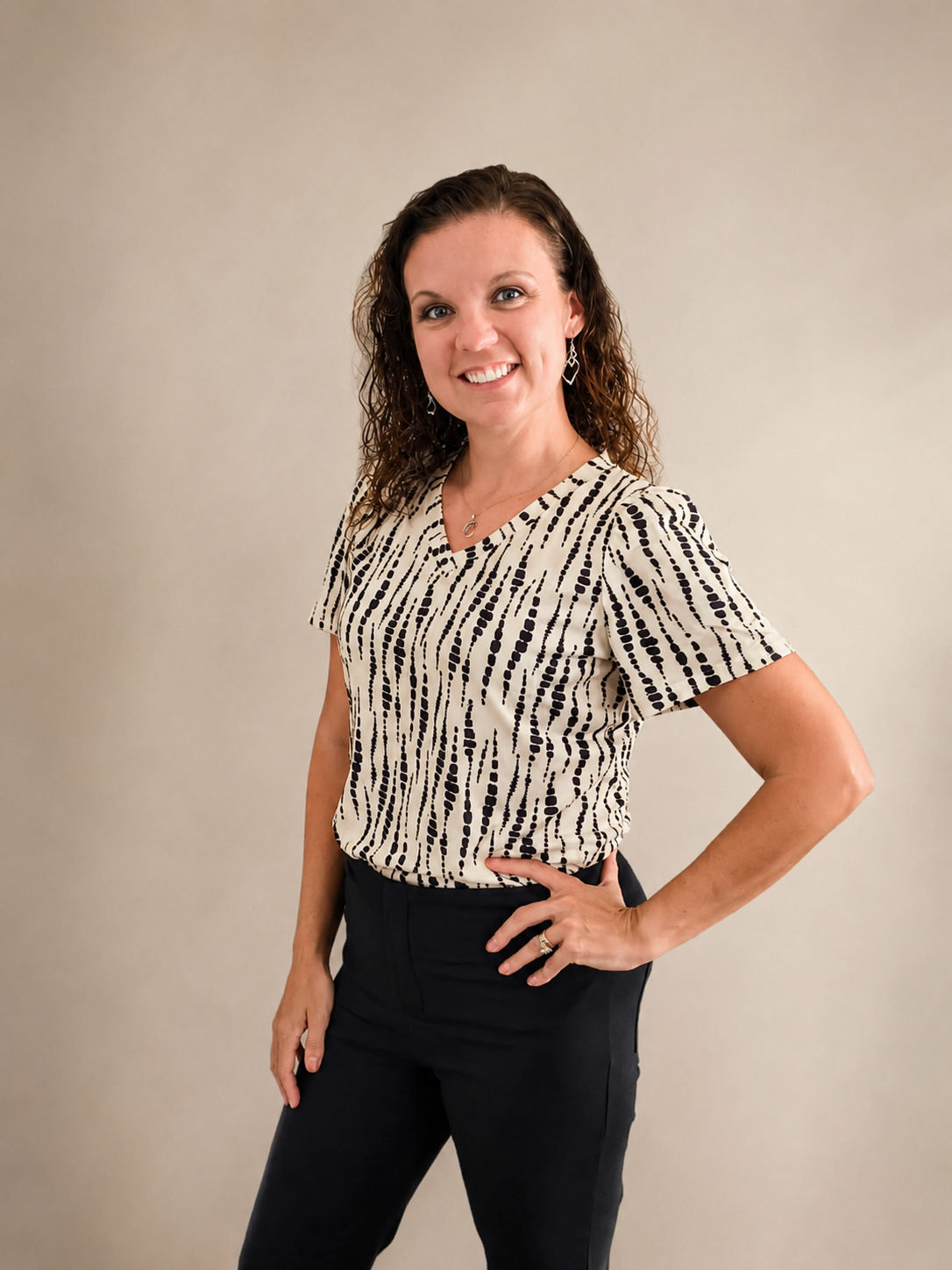
Hi, I’m Carrie, and I’m ready to walk alongside you. One of the hardest parts about struggling is how isolating it can become. You may have convinced yourself that you should be able to figure it out on your own, that asking for help means you've failed, or that your problems simply aren't "big enough" to deserve support.
I don't believe that. I believe meaningful change begins when people feel safe enough to be honest. My goal is to create a space where you feel genuinely heard, accepted, and understood—not judged, analyzed, or reduced to a diagnosis.
I don't want to know only what brings you to counseling today. I want to understand your story. What matters to you? What experiences have shaped you? What strengths have helped you make it this far? What kind of life and relationships do you hope to create moving forward?
You don't have to come into therapy with the right words or all the answers.
You simply have to come as you are.
You are more than the struggles that brought you here.
I don't believe our emotional health exists in isolation. Our relationships, family dynamics, culture, faith or spirituality, work, past experiences, physical health, and the systems we live within all influence how we think, feel, and respond to the world around us.
Sometimes people come into therapy believing something is "wrong" with them. I believe there's a different question worth asking.
Instead of asking,
"What's wrong with you?"
I believe we should ask,
"What happened to you?"
That question creates room for curiosity instead of shame.
Together, we'll explore the experiences that have shaped your life, recognize the resilience that has helped you survive, and begin building a future that is no longer controlled by the past. Because while your experiences are part of your story, they do not have to become your identity.
Therapy isn't about becoming someone else.
It's about becoming more connected to the person you've always been.
Sometimes that means learning healthier ways to communicate.
Sometimes it means healing from painful experiences.
Sometimes it means setting boundaries without guilt.
Sometimes it means rebuilding confidence after years of doubting yourself.
Sometimes it means discovering strengths you've had all along but never recognized.
I don't see my role as fixing people or telling them what they should do. I believe you are the expert on your own life. My role is to walk alongside you, ask thoughtful questions, offer support, and help you better understand yourself so you can make meaningful choices that align with the life you want to create.
Because you are more than your anxiety. More than your trauma. More than your relationship struggles. More than the mistakes you've made. You are more than what happened to you.
My Approach
My approach to counseling is compassionate, collaborative, and tailored to your unique experiences. I draw from Person-Centered, Trauma-Informed, Strengths-Based, and Feminist approaches to therapy, believing that every person deserves to feel heard, respected, and empowered throughout the counseling process.
Rather than focusing only on symptoms or diagnoses, we'll explore the whole picture—your relationships, experiences, strengths, values, and goals. Together, we'll work to better understand your story while developing practical tools that help you move toward lasting change.
I believe healing doesn't happen because someone tells you who to become.
Healing happens when you begin to understand yourself with greater compassion and discover that you already possess the strength to keep moving forward.
Imagine what's possible...
Imagine speaking to yourself with the same kindness you so easily offer others.
Imagine feeling more confident setting boundaries and expressing your needs.
Imagine understanding why you react the way you do instead of criticizing yourself for it.
Imagine feeling more connected in your relationships and more grounded in who you are.
Therapy can't erase the difficult chapters of your life. But it can help you write the chapters that come next with greater confidence, clarity, and hope.
Let's take the first step together.
Starting therapy can feel overwhelming, especially if you've never done it before. You don't have to know exactly what to say. You don't have to have everything figured out. You just have to be willing to begin.
If you're looking for a place where you can feel heard, understood, and supported as you work toward meaningful change, I'd be honored to walk alongside you. Because while we can't change what happened, we can change the meaning it holds today.
You are more than what happened to you. Healing begins with being understood.
My Qualifications
I am currently pursuing a Master of Science in Clinical Mental Health Counseling with a concentration in Rural Mental Health at Texas A&M University–Kingsville. I earned my Bachelor of Science in Criminology, graduating with honors from the University of Houston–Clear Lake, where I served in multiple student leadership roles. Prior to entering the counseling profession, I worked as a Juvenile Case Manager, developing a passion for supporting individuals through education, prevention, and compassionate intervention. I also remain actively involved in my community through volunteer work supporting women and families navigating life's many transitions. I am under the supervision of Erika Labuzan-Lopez (LMFT-Supervisor No. 202082, LPC-Supervisor No. 71690). Erika and I consult regularly on treatment plans, case progress, and therapeutic direction to ensure the highest quality of care.
Areas of Interest: