
Looking Okay Doesn’t Mean Someone Is Okay

We have an image in our minds of what it looks like when someone is struggling. Depression looks like someone who can’t get out of bed. A person considering suicide must seem hopeless or withdrawn. Someone experiencing significant anxiety surely looks anxious. If a person is laughing, working, parenting, socializing, or making plans for the future, we assume they must be doing relatively well.

People can go to work while depressed. They can laugh with friends while grieving. They can make dinner for their children while experiencing intrusive thoughts that terrify them. They can respond to emails, attend meetings, plan vacations, crack jokes, and genuinely enjoy moments of their lives while also experiencing tremendous psychological distress.
One of the most important misconceptions we need to correct about mental health is the idea that we can reliably tell how someone is doing simply by looking at them.
We Expect Distress to Look Like Distress

Part of the problem is that we tend to think about mental health in extremes. Someone is either functioning or falling apart. They are either okay or they aren’t. If they’re experiencing a mental health crisis, we imagine there should be obvious signs that the people around them would recognize.
Sometimes there are. Significant changes in sleep, appetite, hygiene, behavior, mood, substance use, social engagement, or general functioning can absolutely tell us that someone is struggling, and we should pay attention to changes in the people we know and love. But the absence of obvious signs doesn’t necessarily tell us the opposite.

Many people become remarkably skilled at continuing to function while struggling internally, especially if they’ve spent years being capable, dependable, pleasant, or “the strong one.”
They may not even think of themselves as hiding anything. They’re simply doing what they’ve always done: continuing to function because life still requires them to.
This is particularly important when we talk about suicide and serious mental health concerns. After a tragedy, people often look backward for the signs everyone “should have” noticed. We struggle to understand how someone could have been working, laughing, making plans, or behaving normally while also experiencing profound distress.
The answer is uncomfortable but important: those experiences are not mutually exclusive.
Someone can experience joy and despair on the same day. A person can love their family, look forward to something next month, and genuinely enjoy dinner with friends while simultaneously experiencing thoughts of suicide. Human beings hold contradictory experiences all the time.
Functioning Isn’t the Same Thing as Wellness

Therapists regularly meet people whose lives look remarkably intact from the outside.
They’re successful at work, involved parents, active in their communities, and maintaining friendships. Then the therapy room door closes, and we hear about the panic attacks no one knows about, the intrusive thoughts they’ve been too ashamed to disclose, or the depression they’ve been pushing through for months.
This doesn’t mean the version everyone else sees is fake. The person laughing at dinner may genuinely be enjoying dinner. The person struggling with depression may also genuinely love many parts of their life. One experience doesn't invalidate the other.
That distinction matters because people sometimes delay asking for help precisely because they’re still functioning. They tell themselves, “I’m still going to work… I’m taking care of my kids. Other people have it worse. It can’t be that serious.” We’ve unintentionally created a threshold where people believe they have to visibly fall apart before their suffering counts.
They don’t.
This Shows Up in Relationships, Too
Couples run into their own version of this misunderstanding. One partner says, “I didn’t realize you were that unhappy,” while the other responds, “I’ve been telling you for months.”
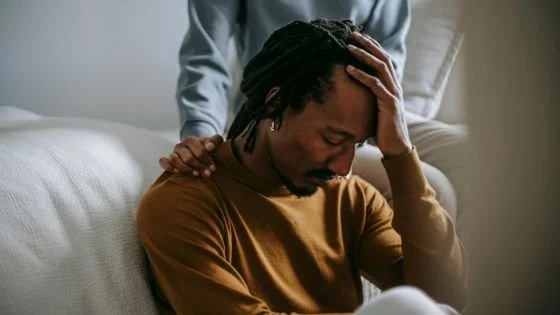
Maybe the struggling partner was expressing their distress while still participating in family life. They planned the birthday party, watched TV together, went on vacation, laughed at inside jokes, or talked about plans for next year. Their partner interpreted those moments as evidence that things couldn’t possibly be that bad.
But enjoying those moments doesn’t erase the larger struggle. Your partner can love you and feel profoundly disconnected from you. They can appreciate the life you’ve built and still feel lonely inside it. They can have a wonderful weekend with you and still believe something significant in the relationship needs to change.
This is one reason taking our partner’s words seriously matters, even when their behavior seems inconsistent with what they’re telling us. Instead of using the good moments as evidence against the difficult ones…
we can become curious about how both experiences are true.
Ask Instead of Assuming
If appearances aren’t reliable, the answer isn’t to become suspicious of every smile or assume everyone around us is secretly falling apart. It’s simply to become a little less certain that we know what’s happening inside another person.

Instead of saying, “You seemed fine yesterday,” we might say, “I didn’t realize how much you were carrying.” Instead of responding, “But you’ve been doing so much better,” we can ask, “How have you actually been feeling lately?” When someone tells us they’re struggling, we don't need them to perform distress convincingly enough for us to believe them.
This is especially important when someone discloses suicidal thoughts or another serious mental health concern.
Taking those words seriously doesn’t mean panicking or assuming the worst. It means staying present, asking direct questions, listening carefully, and helping the person access professional support when needed.
Sometimes one of the most meaningful questions we can ask another person is incredibly simple: How are you really doing?
The harder part is being willing to hear the answer.
You Don’t Have to Look Like You’re Struggling to Ask for Help
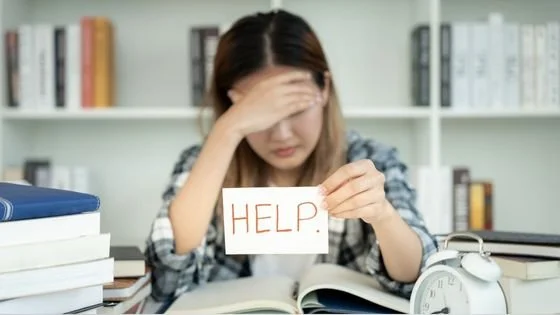
If you’ve wondered whether you’re “struggling enough” to deserve support because you’re still working, caring for your family, laughing with friends, or getting through your day, you don’t have to wait until your life falls apart to seek help. Functioning is not the same thing as wellness, and needing support doesn't require reaching a breaking point first.
At the Center for Couples Counseling, we create space for the parts of your experience that may not be obvious from the outside. Whether you’re struggling individually, feeling disconnected in your relationship, or trying to better understand what your partner is going through, therapy can help you move beyond appearances and have more honest conversations about what’s actually happening.