What Does Saying I Love You Mean?: The Liberation of Descriptive Language
We all know those three little words can have a huge impact. Heck, I notice that when someone just says, “Love you” instead of “I love you,” it feels less yummy and personal. I wonder how many people examine their relationship to saying “I love you.” What does it mean to you? How do you feel saying it, hearing it, what are your expectations on context and frequency of sharing those words? In what types of relationships do you say it? At what stage in a relationship do you feel comfortable saying it or hearing it? Who says it first?
My answer to most of these questions is almost invariably: “Ask them. Tell them.”
Everyone’s culture, family of origin, friends, etc influence whether it was encouraged or discouraged to share verbal affection. And a lot of people bring that learning, consciously or unconsciously, into their adult relationships. Like all of the love languages, it helps to be descriptive about needs, meaning, and expectations of how to share them.

Some people, particularly males, were called sissies if they showed affection. Women are painted as needing to hear it more and are sometimes met with sighs and eyerolls. Meanwhile I have a female client who gets squeamish even talking about saying “I love you” to people in her life. On some level, there’s a fear of what saying it means or changes.
Let’s get out of these prescriptive roles and choose when we want to say it and what we want it to mean. Let’s get descriptive!
One concept I present to clients is the noun and the verbs of love. I used to be repelled by the idea of unconditional love. I saw it as a slippery slope to excuse all manner of harmful behavior. And it certainly could be. One day, after a conversation with an ex-lover, it clicked. The noun of the love can remain even if the verbs of the love change. For instance, even though I don’t talk to that lover anymore, I still have noun love for them. I’m grateful for the lessons I gained from that connection. The verbs of that connection changed abruptly and immensely, which changed the context of how our love was expressed.
Whether you subscribe to my noun/verb distinction or however you frame it, think about how you would describe your relationship to verbal affection… To saying “I love you” or other terms of endearment.
There’s no one right answer. Everyone’s relationship to expressing feelings is valid and come by honestly. Where it gets tricky is when you and a partner have very different approaches to sharing these expressions.
Being able to talk about your own meaning and practices with verbal affection openly and honestly, rather than living in a land of assumptions, can really clarify and help both people feel more trust and resonance. Sometimes, this means accommodating your timing and language to fit both people’s pace and comfort.
What would a conversation like that look like?
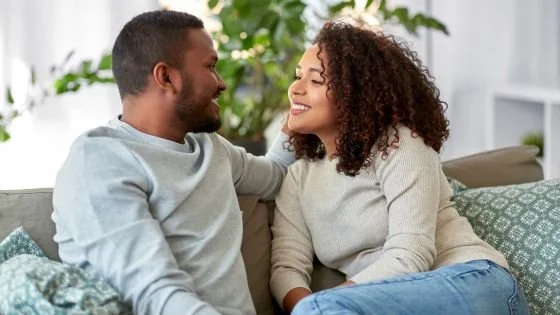
For me, when I’m noticing the compulsion to say it coming up, I name that. In all things I feel or desire, I do not feel entitled to reciprocity. In adult relationships in my world, love is a gift we choose to share freely. I make it clear I’m sharing the desire to say it as a check in; to expand my understanding of my connection’s stance and past experiences with expressing those things. If I feel differently (more or less intensely) from someone… of course I do! We have different brains and bodies that process our connection hormones differently.
Based on what they share, if they aren’t there yet, or only say it in certain types of relationships, I let them know they can say it when and if they’re ready. I have felt loved by the verbs without needing to hear them say ILY. Or if there’s resistance to the phrase, we make up our own that feels right for our connection. We get to decide what our words mean. In fact, creating our own language and culture is one of the most important aspects of healthy, long-term relationships.
Whether you are celebrating Valentine’s Day, an anniversary, a birthday… get curious about your past experiences and your partner’s to better understand their inner world and find the ways to express verbal affection that work for you!
My name is Sky Yeater and I am a Licensed Professional Counselor at the Center for Couples Counseling. I am an LGBTQ+ person and professional passionate about helping couples and individuals find empowerment in their lives and relationships. If you’re looking to grow with new tools and humor, call (832) 827-3288 to set up your free phone consultation. Our Center serves couples and individuals in League City and Houston, Texas and all residents of Texas online!
Interested in Meeting a Couples Therapist in League City, TX?
If you want to improve your relationship and reconnect with your partner, take action now and start being more curious about your relationship. At Center For Couples Counseling, one of our skilled couples therapists can help you and your partner navigate your challenges and rediscover the curiosity and passion that brought you together in the first place. Don't wait any longer to invest in the health and happiness of your relationship. To meet with a couples therapist follow these three simple steps:
Contact us to schedule an appointment
Meet with one of our skilled couples therapists
Begin to find the curiosity in your relationship and reconnect with your partner!
Other Services Offered at Center for Couples Counseling
At Center For Couples Counseling, our team of skilled therapists understands that your relationship may be facing different challenges. In addition to couples therapy, our Texas practice offers individual therapy, infertility counseling, postpartum anxiety and depression counseling, therapy for self-care and burnout, and therapy for perfectionism. For more about us check out our FAQs and blog!